Navarre, Florida, Jul 08, 2026, ZEX PR WIRE — As organizations face growing pressure to improve efficiency, strengthen financial performance, and respond quickly to changing business conditions, enterprise-wide visibility has become a competitive advantage for executive leaders. Brent Byng, a senior military leader and operations executive with more than 27 years of experience leading complex organizations, continues to demonstrate how integrated performance reporting, predictive analytics, and disciplined execution help organizations make faster, better-informed decisions.
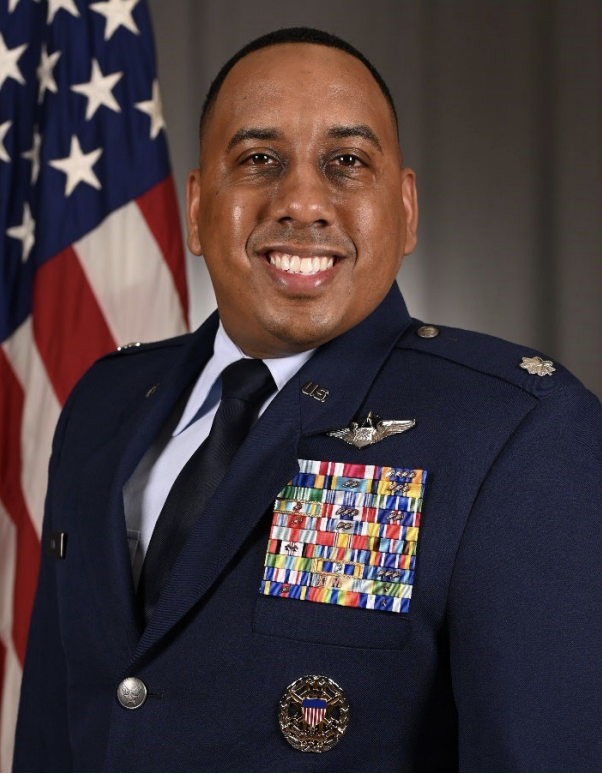
Throughout his career, Byng has built management systems that allow leaders to see beyond individual departments and understand how every function contributes to organizational success. His leadership combines technology, financial stewardship, operational planning, and workforce development into a framework that improves accountability, increases efficiency, and supports long-term growth.
Turning Data Into Better Decisions
Organizations generate more operational data than ever before, but collecting information is only part of the equation. The real advantage comes from transforming that information into practical insights that improve performance.
Byng has consistently worked to eliminate disconnected reporting systems that leave departments operating independently. Instead, he has implemented performance management tools that combine operational metrics, financial reporting, workforce planning, compliance tracking, and resource utilization into a unified view.
This integrated approach allows leadership teams to identify opportunities earlier, respond to challenges faster, and allocate resources more effectively. Rather than reacting to problems after they occur, organizations become proactive in managing performance and preparing for future demand.
Building Visibility Across Large Organizations
Byng’s leadership experience includes managing enterprise operations involving hundreds of employees, multiple locations, and thousands of customers each year.
While leading enterprise training operations, he managed a $99.6 million operating budget and supported more than 2,700 clients annually. To improve operational performance, he introduced enterprise-wide ERP and KPI dashboards that consolidated data on training throughput, scheduling efficiency, asset utilization, instructor capacity, compliance, and operational readiness.
These dashboards gave senior leaders a comprehensive view of organizational performance, allowing them to make faster, more informed decisions. The initiative increased training throughput by more than 25 percent while maintaining quality standards and regulatory compliance.
The project demonstrated that performance visibility is far more than a reporting function. When integrated into daily operations, it becomes a strategic advantage.
Predictive Analytics Supports Smarter Planning
Byng has also emphasized forecasting as a key component of operational leadership. He developed predictive demand and capacity planning models across sixteen departments and multiple operating sites using analytical tools including Excel, SQL, and Power BI.
These models improved forecast accuracy, reduced staffing shortages by 10 percent, lowered overtime costs, and strengthened workforce planning. Instead of responding to shortages after they disrupted operations, leaders could anticipate workload changes and adjust staffing and resources in advance.
This proactive approach improved organizational resilience while reinforcing financial discipline and operational stability.
Technology That Improves Performance
Throughout his career, Byng has viewed technology as a tool that should simplify leadership and improve execution.
He has led digital modernization initiatives that introduced virtual reality training, scheduling automation, enterprise learning management systems, robotic process automation, customer relationship management integrations, and enterprise reporting platforms.
Each initiative addressed a specific operational challenge. Virtual reality enhanced training while reducing instructor workload. Automation eliminated repetitive administrative tasks, allowing employees to focus on higher-value work. Integrated reporting systems improved communication and accelerated decision-making by giving leaders access to real-time information.
Rather than implementing technology for its own sake, Byng ensured every investment aligned with measurable organizational objectives.
Financial Discipline Drives Sustainable Growth
Enterprise-wide visibility also strengthens financial management.
Throughout his career, Byng has combined operational analytics with disciplined financial oversight to improve resource allocation and maximize organizational performance. Managing a $99.6 million operating budget required continuous evaluation of expenses, utilization rates, staffing requirements, customer demand, and operational priorities.
By integrating financial information with operational reporting, leadership teams gained a clearer understanding of how investments influenced organizational outcomes. This approach helped identify cost-saving opportunities, improve budgeting decisions, and support sustainable growth without compromising operational readiness.
Creating Stronger Cross-Functional Teams
One of Byng’s leadership priorities has been improving collaboration across departments.
Leading more than 250 cross-functional professionals required consistent communication and shared accountability. Enterprise-wide reporting systems helped departments understand how their individual performance affected overall organizational success.
This broader perspective reduced duplication of effort, improved coordination, and strengthened alignment between operational goals and strategic priorities. Teams became better equipped to solve problems together because they relied on the same information and shared performance objectives.
Leadership Built on Accountability
Performance visibility is ultimately about creating trust throughout an organization.
Byng believes employees perform best when expectations are clear, progress is measurable, and leaders communicate openly. Rather than using performance metrics solely to evaluate results, he uses data to support coaching, mentoring, and professional development.
This philosophy has shaped organizational cultures that emphasize accountability, collaboration, and continuous improvement while encouraging employees to take ownership of their work.
Strategic Leadership Beyond Operations
Byng’s commitment to disciplined decision-making extends beyond operational leadership. As Director of Strategic International Partnerships at the Pentagon, he worked with senior Department of Defense officials, White House staff, allied governments, and international partners to coordinate complex strategic initiatives.
The role required careful analysis, stakeholder engagement, risk assessment, and clear communication across multiple organizations and international partners. His experience reinforced the importance of combining accurate information with disciplined execution when making strategic decisions.
Those lessons continue to influence his leadership approach today, whether improving enterprise operations or supporting executive decision-making.
Investing in Future Leaders
Beyond improving systems and processes, Byng has invested heavily in leadership development.
He created multi-tier succession planning programs that included competency models, mentoring, individualized development plans, and structured coaching. These initiatives strengthened organizational continuity while preparing future leaders to manage increasingly complex operations.
Byng believes organizations achieve long-term success when leaders understand how finance, operations, technology, workforce planning, and customer service work together. Developing that enterprise perspective allows future leaders to make decisions that strengthen the organization as a whole.
About Brent Byng
Brent Byng is a senior military leader, operations executive, and doctoral candidate in Strategic Leadership with more than 27 years of experience leading enterprise operations, organizational transformation, and cross-functional teams. His experience includes financial analysis, healthcare analytics, international strategic partnerships, enterprise operations management, and executive leadership across complex organizations. He has managed a $99.6 million operating budget, implemented predictive analytics and enterprise reporting systems, led digital transformation initiatives, and developed leadership programs that strengthened organizational performance. Byng holds advanced degrees in Business Administration, Operations Management, and Military Operational Arts and Science, along with professional certifications in Lean Six Sigma, project management, and human resources.

Disclaimer: The views, suggestions, and opinions expressed here are the sole responsibility of the experts. No Empire Gazette USA journalist was involved in the writing and production of this article.